



















































Protecting the systems
that power the Kingdom.
A strategic forum for operational technology leadership — convening regulators, CISOs and industrial engineers at the heart of the Kingdom's industrial corridor.
Saudi Arabia's industrial transformation under Vision 2030 is redefining national infrastructure.
PPetrochemical complexes, refineries, utilities, ports, and advanced manufacturing environments are no longer isolated operational domains. They are digitally integrated ecosystems combining operational technology, enterprise IT, cloud platforms, artificial intelligence and remote vendor connectivity.
This convergence is accelerating productivity and national economic growth — and at the same time, expanding the cyber-physical attack surface in ways that legacy controls were never designed to handle.
Operational Technology environments now sit at the intersection of cyber exposure, physical safety, environmental impact, and national economic stability.

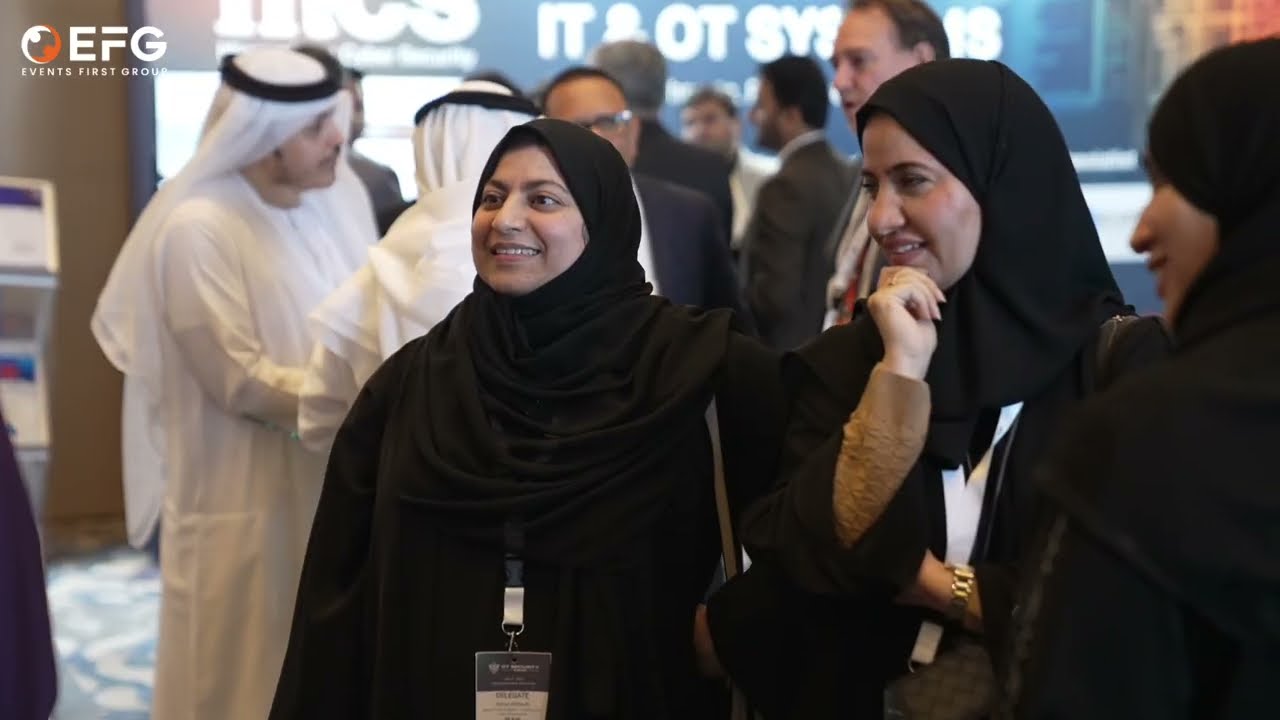
Highlights from the most recent OT Security First flagship edition — the same dialogue platform now arriving in Jubail.
OT Security First — Jubail is structured as a strategic industrial cybersecurity dialogue platform — designed to address this convergence with policy depth, engineering credibility, and operational realism.
Two converging realities define the moment for OT Security First — Jubail.
One of the most strategically significant industrial landscapes in the Middle East.
- 01Saudi Arabia accounts for a majority share of cybersecurity incidents within the MEA region.
- 02Energy remains one of the most targeted sectors regionally.
- 03ICS in the Middle East experience elevated ransomware pressure relative to global averages.
The industrial focal point of national resilience.
- 01Defining industrial cyber events have already proven this risk is no longer theoretical.
- 02Jubail concentrates critical petrochemical and energy assets material to GDP and exports.
- 03Industrial density makes Jubail a strategic focal point for advancing OT cybersecurity maturity.
As industry converges, the attack surface expands.
As industrial systems evolve, the convergence of IT and OT, legacy infrastructure dependencies, remote operations, industrial IoT, and AI-driven automation are significantly expanding the cyber attack surface.
This rapid digitalisation is creating new vulnerabilities across critical infrastructure sectors, making cyber resilience not just an IT concern, but a national security and operational continuity priority.
The challenge now is not only about connectivity and efficiency, but about ensuring security, stability, and resilience across increasingly complex industrial ecosystems.
Shape the future of industrial cybersecurity in Saudi Arabia — where national infrastructure, industrial innovation, and cyber resilience converge.
Apply to AttendThe forces shaping industrial cybersecurity across the Kingdom.
NEOM, Red Sea Global, and Qiddiya deploying massive, automated utility, water (desalination), and logistics networks from scratch.
Unprecedented demand for greenfield OT architecture, industrial IoT (IIoT) edge integration, and smart city SCADA harmonization.
National Cybersecurity Authority (NCA) strictly enforcing ECC (Essential Cybersecurity Controls) and CS-1-CS for Critical National Infrastructure (CNI).
Massive push for OT-specific cybersecurity solutions, industrial network segmentation (Purdue Model compliance), and localized OT Security Operations Centers (SOCs).
Ministry of Industry and Mineral Resources pushing the "Future Factories Program" to automate thousands of local manufacturing plants.
High growth in brownfield legacy modernization, predictive maintenance tools, industrial robotics, and smart sensors.
Over $100 billion pledged for automated transport infrastructure, smart ports (Mawani), and driverless freight corridors by 2030.
Opportunities for automated guided vehicles (AGVs), real-time terminal operating systems (TOS), and predictive logistics control towers.
SEC (Saudi Electricity Company) and SABIC expanding smart grids, utility-scale renewable integration (solar/wind), and CCUS plants.
Demand for Distributed Energy Resource Management Systems (DERMS), advanced metering infrastructure (AMI), and microgrid control software.
Aramco and major industrial conglomerates shifting asset data into private clouds and enterprise data lakes for AI applications.
Crucial requirement for secure IT/OT gateways, unified asset visibility platforms, and data normalization layers between the factory floor and the boardroom.
Strict government purchasing mandates and Aramco's IKTVA program penalizing purely imported industrial tech.
Need for international OT vendors to establish local assembly, training labs, and Saudi-based engineering support hubs.
The agenda will explore non-surface industrial priorities.
Securing Saudi Arabia's critical infrastructure
Defending the Kingdom's most vital systems in a hyper-connected industrial era.
Bridging IT/OT convergence
Closing the gap between the boardroom and the plant floor without expanding the attack surface.
Building resilient-by-design operations
Resilience baked into energy and utility systems from the architecture up — not bolted on.
Modernising legacy OT systems
Upgrading aged industrial environments without disrupting production or breaking safety guarantees.
Zero trust architecture for OT
Identity, segmentation, and continuous verification applied to operational technology environments.
AI-powered threat detection & autonomous response
Using AI to detect, contain, and respond to OT incidents at machine speed.
Protecting industrial IoT & smart manufacturing
Securing the sensors, edge devices, and connected ecosystems driving Industry 4.0.
Enabling secure remote operations
Distributed control systems that stay defensible when accessed from anywhere on the grid.
Strengthening OT supply chain security
Visibility into third-party risk — from system integrators to software bills of materials.
Aligning industrial cybersecurity with national mandates
Operationalising OTCC-1:2022, ECC, and CSCC into audit-ready practice across critical sectors.
Developing future-ready OT cybersecurity talent
Building the workforce and capability pipeline the Kingdom needs to defend itself for decades.
From cyber risk to operational resilience
Reframing the conversation from threat to continuity — keeping industrial systems running through any adversary scenario.
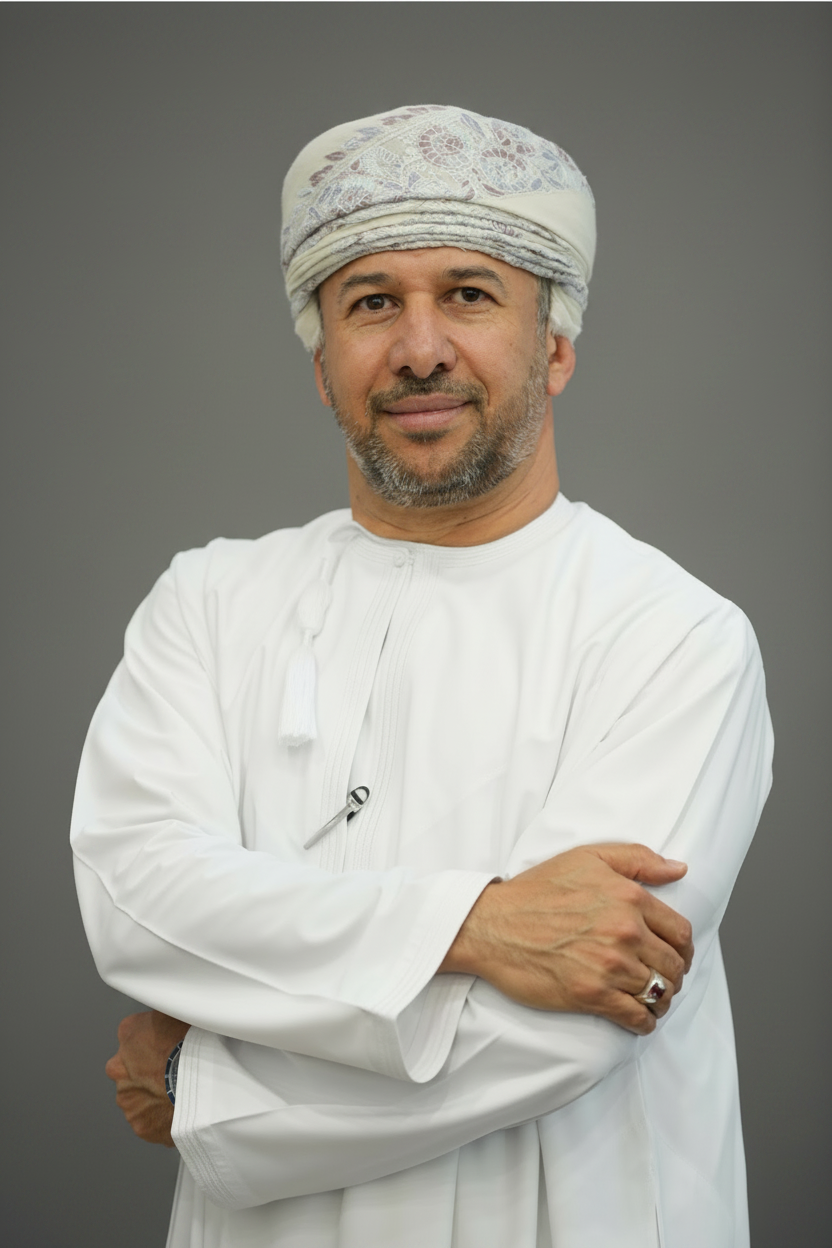
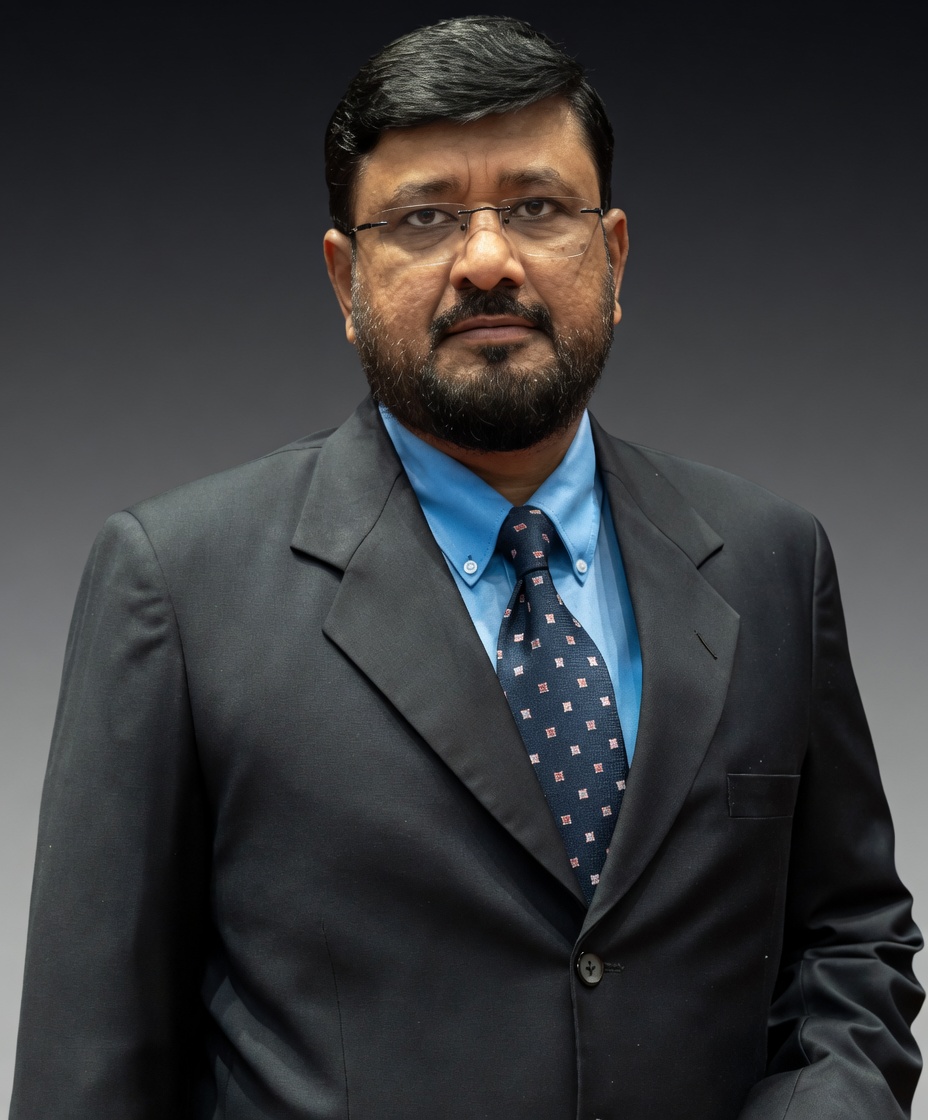
Featured speakers.
Regulators, plant CISOs, and industrial engineers shaping the conversation on industrial cyber resilience across the Kingdom.
Speaker to be confirmed
Senior Industrial Cybersecurity Leader
KSA Critical Infrastructure
Speaker to be confirmed
Head of OT Security
Energy / Petrochemicals
Speaker to be confirmed
Industrial Risk & Compliance Director
Regulatory Body
Speaker to be confirmed
Plant CISO
Heavy Industry